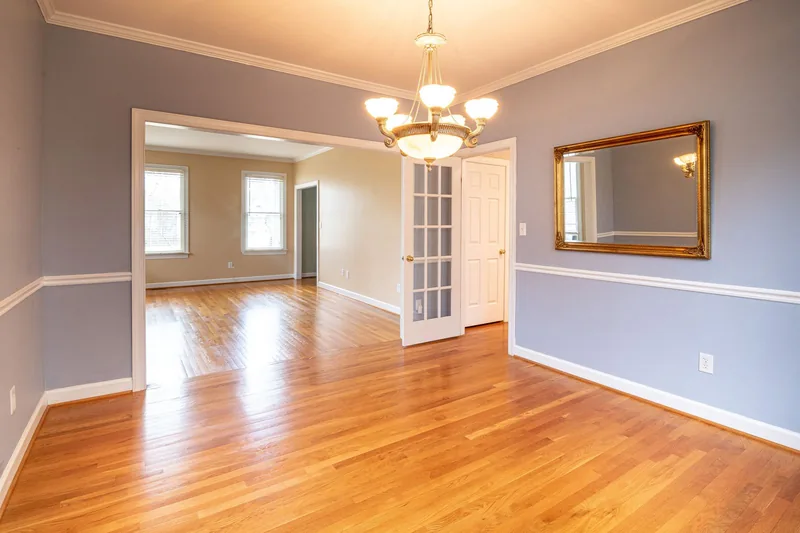
Home and Apartment Biohazard Cleanup
Sewage cleanup and cleaning after crime, hoarding, death or blood are available for condos, high-rise units, apartments and houses.
Learn moreWhen a death, a crime, hoarding or a sewage backup leaves a biohazard behind in Addison, a cleanup specialist can explain the next steps.

Local housing, population and access details can shape containment, access and cleanup planning.
With a 33.0% renter share, some cleanup calls require a tenant and property owner to agree on access and material removal.
Because the median home dates to 1972, cleanup plans should distinguish washable surfaces from absorbent carpet, padding, and wallboard.
With 19.9% of seniors living alone, private cleanup communication may need to include a relative who lives somewhere else.
A 64.1% single-family share makes property type an early question when setting containment and equipment routes.
After crimes, deaths, accidents, a sewage backup or hoarding situations, biohazard cleanup means safe removal, disinfection and disposal of tissue, blood, bodily fluids and infectious or hazardous materials.
Other names include biohazard remediation, bio hazard cleaning, bio cleanup and trauma cleanup. Deep cleaning alone is not professional biohazard cleanup. Technicians wear personal protective equipment, track where contamination traveled, discard porous items beyond disinfection and treat all affected areas until the property returns to a livable condition.
Biohazard removal services in Addison reach the surrounding areas as well, with emergency response for crime scenes and other traumatic events. Crime scene cleaning, scene cleaning after an unattended death, hazardous waste removal and fentanyl cleanup all count as specialized cleaning. Crime scene cleaners work quietly to restore safety and offer respectful, compassionate service at a hard time.
Hoarding and neglect are met without judgment, with respect for you and your loved ones through a difficult time. Items important to you, including photos and documents, are set apart.
Your insurance company, property owner or state victim program can receive the photos, waste paperwork and notes describing the scope.
You receive an explanation of the cleanup plan, every step involved and what can change the price ahead of any removal. There is no pressure and nothing unexpected.
Day or night, emergency service calls are answered. Crews use unmarked vehicles to protect your privacy from neighbors and property staff.
Sewage cleanup and cleaning after crime, hoarding, death or blood are available for condos, high-rise units, apartments and houses.
Learn more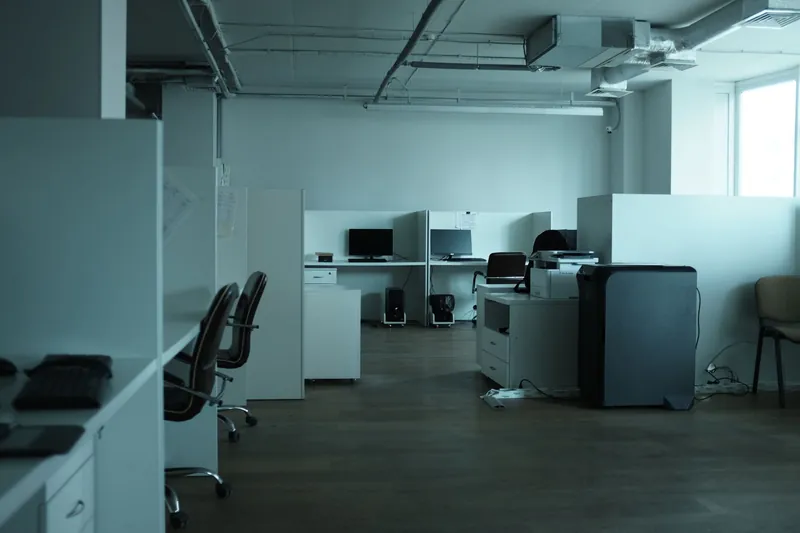
Commercial biohazard cleanup for commercial properties, after injuries, industrial accidents, break-ins or exposures, scheduled around your hours.
Learn more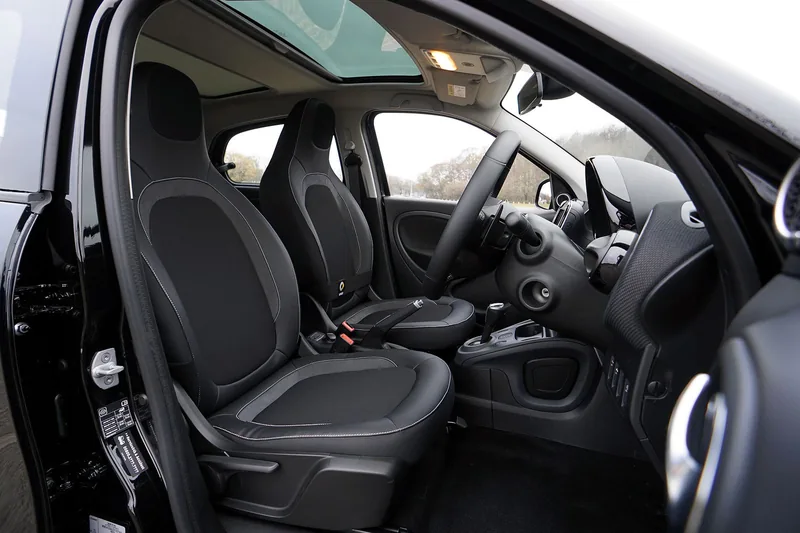
Vehicle biohazard cleanup removes bodily fluids, odor and blood from carpet, ventilation and seats.
Learn more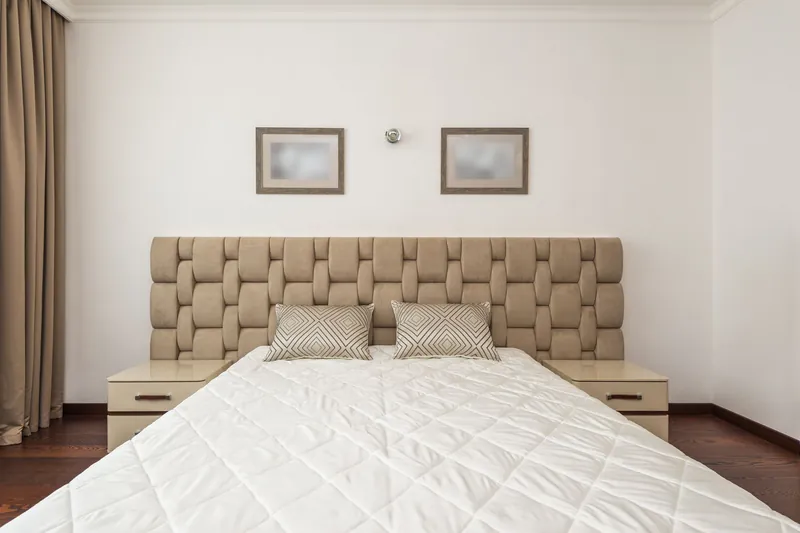
Cleanup prepares units to be rented again, with records for owners and insurers.
Learn moreChoose the cleanup page suited to your situation. If the right service is unclear, you can call for guidance.

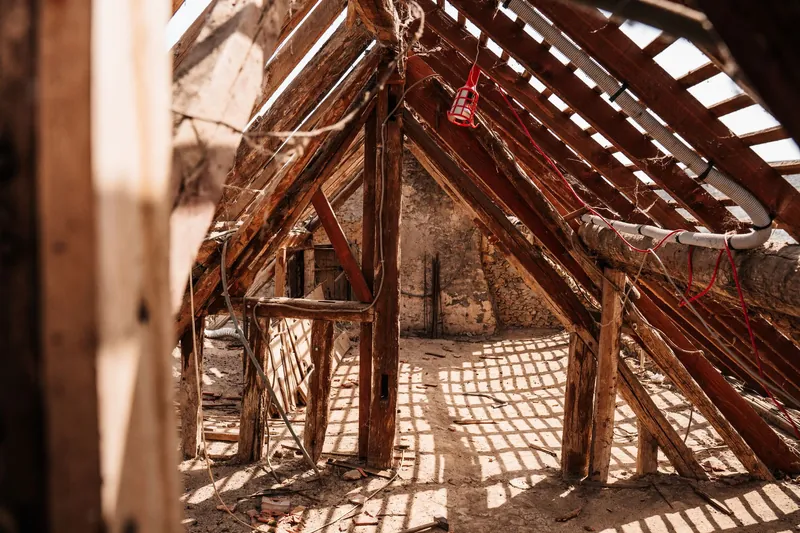
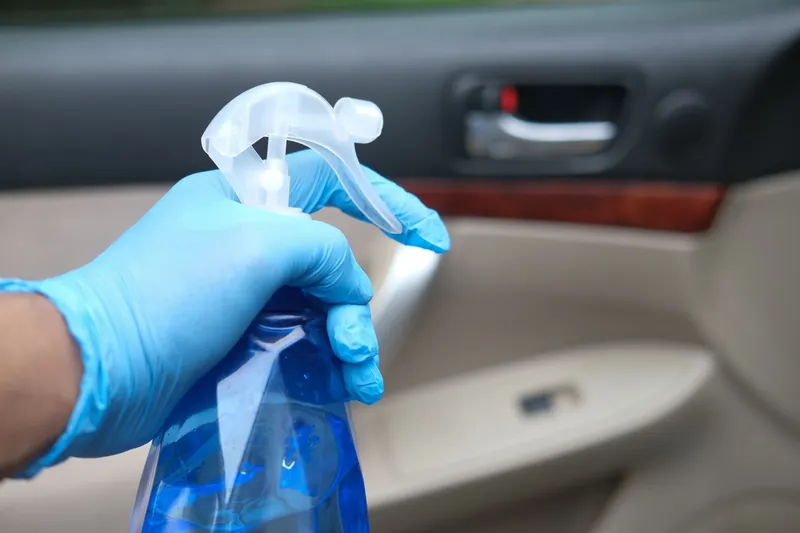
Most people only face this once. Following the right opening steps helps protect your health while preserving your claim and cleanup cost.
Call (888) 440-9227Each job follows the same safe biohazard cleanup process, beginning with your call and ending with the final inspection.
You describe the incident. After technicians photograph and inspect the scene, they agree on the scope with you.
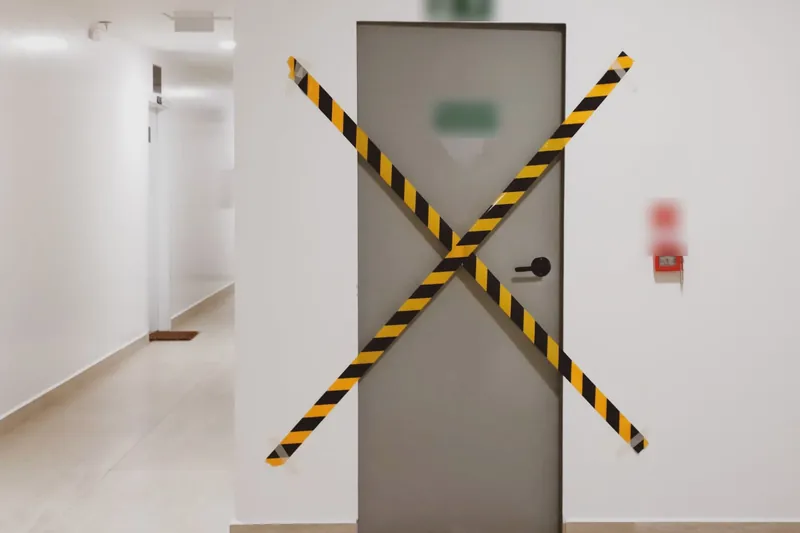
Technicians enclose the affected area in plastic so other parts of the property stay separated.
After infectious materials soak into carpet, pad, drywall or similar porous items, the affected pieces are removed and sealed for medical waste, so no affected material is left behind.
Every surface is cleaned and treated with EPA-registered, hospital-grade disinfectant.
Odor is treated at the source with air scrubbers, hydroxyl or ozone, and vents are checked.
Sealed waste goes to a permitted medical waste treatment facility, with tracking paperwork.
A final check, with ATP testing when necessary, confirms a livable condition. You then receive records and photographs for the claim.
Rebuilding areas where drywall or floors were taken out can be done by your contractor or the insurer's vendor.
Typical national pricing for biohazard cleanup runs $3,000 to $5,000 in the Fixr guide. Different kinds of jobs carry different prices. Minor blood cleanup runs $500 to $2,500, and a sewage backup runs $2,000 to $10,000. The real price is set after the on-site assessment.
Often, yes. Many renters and homeowners policies cover biohazard cleanup after a sudden crime, death or sewage backup, with the deductible remaining your responsibility.
After a death, cleanup costs can often be paid by the estate. A family member or the estate executor normally manages this task.
The Illinois Attorney General's Crime Victim Services Division lists crime scene cleanup among the costs its compensation program can help offset, so victims of violent crime can ask about it. Insurance is usually checked first.
Coverage usually applies to sudden, accidental events. Insurance commonly excludes neglect over time and hoarding. Check with the insurer prior to starting work.
For common spaces and rental properties, cleanup is typically arranged and paid for by the property owner or manager.
Call any hour. You can ask a cleanup specialist what happens next at your property.
Any biological substance capable of causing illness is a biohazard, including tissue, bodily fluids, blood, used needles, untreated sewage, human waste and animal waste.
The Fixr guide shows $3,000 to $5,000 as the usual national range when you hire biohazard cleanup. Minor blood cleanup is listed at $500 to $2,500, while a sewage backup is listed at $2,000 to $10,000.
Biohazard cleanup may be done discreetly. Unmarked vehicles and quiet work help crews keep the situation confidential from neighbors and building personnel.
Many renters and homeowners policies pay for biohazard cleanup after a sudden incident, less the deductible. Slow neglect and hoarding are generally excluded from coverage.
A typical job requires one to three days at the site. Heavy scenes, decomposition or hoarding cleanouts can take several days to two weeks.
Someone answers your call 24 hours a day, on weekends and holidays too.